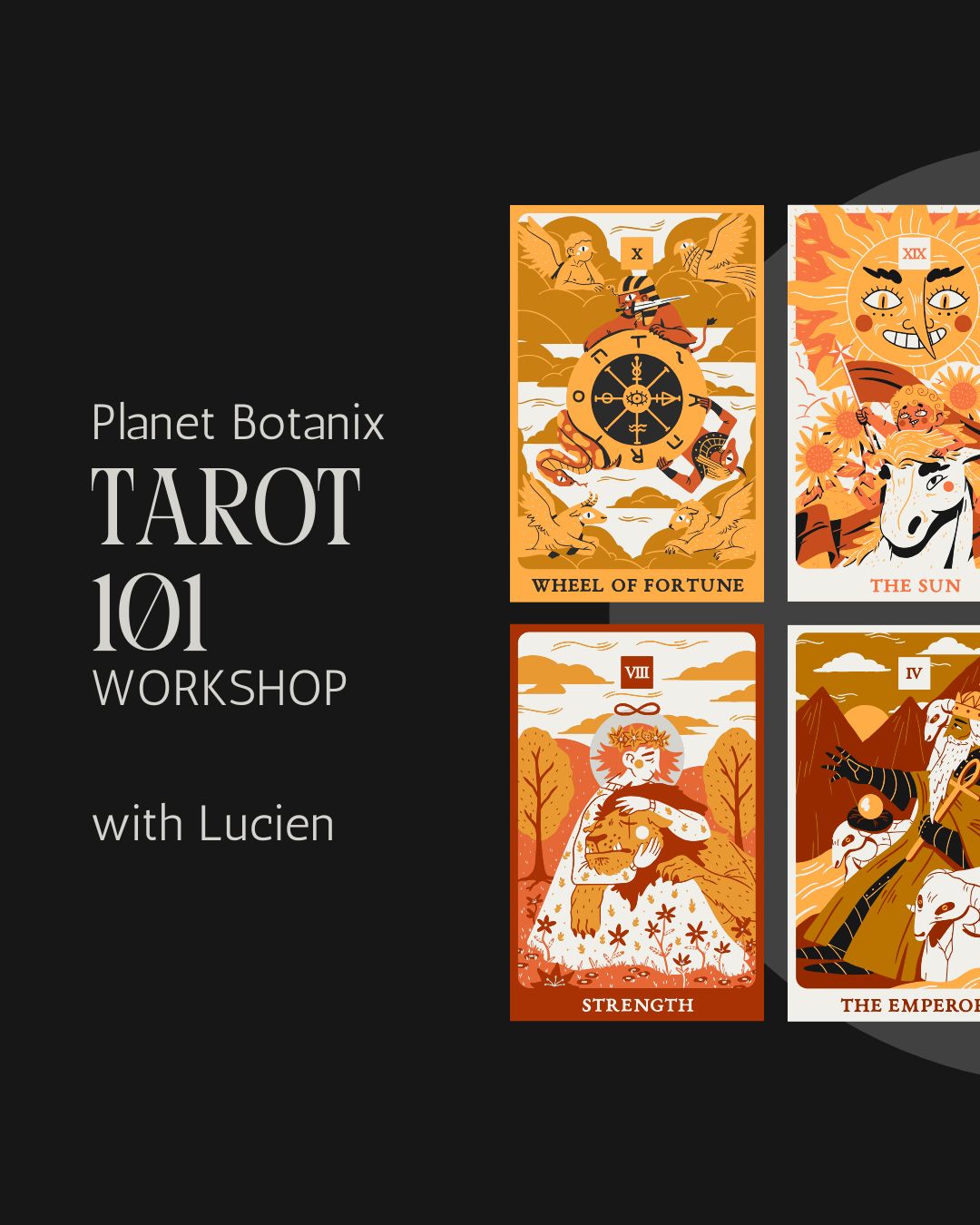

Tarot is not a one-size-fits-all practice. It’s a deeply personal journey—one that evolves with you over time. Whether you’re just beginning or have been reading for years, the most important thing to remember is this: your connection to tarot is uniquely your own.
There are countless ways to read the cards. Some people follow traditional meanings rooted in systems like the Rider-Waite Tarot Deck, while others rely more on intuition, symbolism, or energy. Neither approach is more “correct” than the other. Tarot isn’t about rigid rules—it’s about resonance.
I encourage you to find your way in tarot. Use the techniques that work for you. Pay attention to what clicks, and what doesn’t. If a certain spread feels confusing or forced, let it go. If you feel drawn to pull cards in your own way, trust that instinct. Your intuition is one of your most powerful tools.
Over time, you may notice patterns in how you interpret certain cards. Perhaps a card like The High Priestess speaks to you more about inner knowing than mystery, or maybe The Tower feels less like chaos and more like necessary transformation. Let your personal meanings develop organically.
Tarot is also a mirror—it reflects your inner world, your questions, your emotions. The more you work with it, the more it becomes a language between you and your deeper self. There’s no need to rush or force understanding. Clarity comes with practice, patience, and openness.
Create rituals if they feel meaningful. Shuffle your deck in silence, light a candle, journal your readings—or keep it simple and pull a single card with your morning coffee. There’s beauty in both structure and spontaneity.
Above all, trust yourself. Tarot is not about getting it “right”—it’s about being present, curious, and honest with what arises.
Your tarot practice doesn’t need to look like anyone else’s. It just needs to feel true to you.